

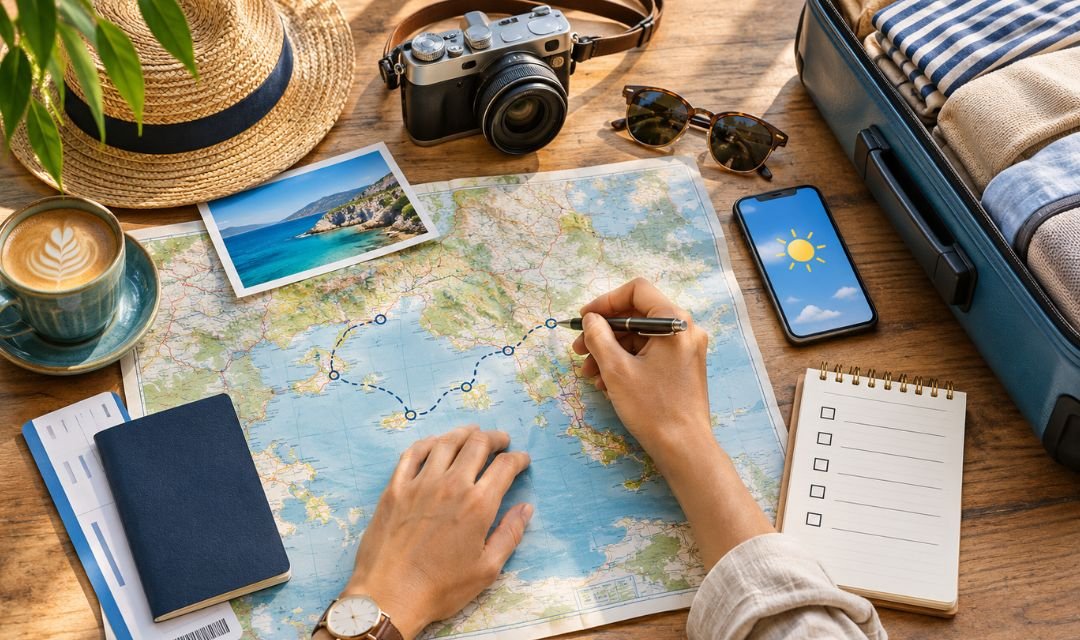
Planning a trip involves more than simply booking a flight and a hotel room. The decisions you make during the planning process directly affect your overall experience, budget, and satisfaction with your journey. Whether you are traveling for leisure, business, or adventure, taking time to consider key factors upfront can prevent costly mistakes and missed opportunities. A thoughtful approach to trip planning helps you maximize your time away while minimizing stress and unexpected complications. The following considerations will help you create a more organized and enjoyable travel experience.
1. Determine Your Budget and Financial Parameters
Your budget forms the foundation of every decision you will make throughout your trip. Before booking anything, you should calculate how much money you can realistically spend on accommodations, transportation, meals, activities, and emergencies. Consider whether you want to allocate funds equally across all categories or prioritize certain experiences over others. For example, some travelers may choose to spend more on accommodations while keeping dining costs low, whereas others prefer affordable lodging and spend more on dining and attractions. Once you establish your budget, research the average costs in your destination to ensure your financial expectations align with current prices. This groundwork prevents overspending and allows you to make intentional choices rather than reactive ones.
2. Research Your Destination and Climate Conditions
Understanding your destination’s climate, culture, and local customs before departure helps you pack appropriately and set realistic expectations. Check weather forecasts for your travel dates, considering temperature ranges, rainfall patterns, and seasonal conditions. Different climates require different clothing, and arriving unprepared for rain or extreme heat can diminish your enjoyment and limit your activities. Beyond weather, researching local customs, holidays, and cultural norms demonstrates respect for your destination and helps you avoid unintentional offenses. You should also investigate whether your destination has areas that are safer to visit than others, peak tourist seasons that might affect crowds and prices, and any entry requirements such as visas or vaccinations. This research phase typically requires several hours but pays dividends in comfort and confidence during your actual trip.
3. Plan Your Transportation Methods and Logistics
Transportation choices significantly impact your trip’s cost, duration, and overall convenience. You need to decide whether you will fly, drive, take a train, or use a combination of methods to reach your destination. Each option carries different trade-offs regarding time, expense, and flexibility. For travelers who prioritize flexibility and efficiency when flying, Stratos Jets offers private jet charter services that allow groups and individuals to customize departure times, routes, and overall travel arrangements to fit their specific needs. Once at your destination, consider whether you will rent a vehicle, use public transportation, rely on rideshare services, or walk to explore the area. Your transportation decisions should align with your budget, the size of your travel group, and the geography of your destination.
Planning transportation logistics in advance allows you to compare prices and identify potential savings or booking deadlines. According to the Bureau of Transportation Statistics, understanding how airlines report delays and cancellations can also help you set more realistic expectations when planning air travel. Factoring in these variables before your departure date reduces the likelihood of last-minute surprises that disrupt your schedule. Reviewing policies around rebooking and refunds is also a practical step worth taking during this phase.
4. Create an Itinerary While Maintaining Flexibility
Developing an itinerary helps you organize your time and prioritize the experiences most important to you. Research major attractions, museums, natural sites, restaurants, and activities available in your destination and identify which ones genuinely interest you. However, an itinerary should serve as a guide rather than a rigid schedule that prevents spontaneity and local discoveries. Consider building in buffer time between activities and designating certain days or half-days as free time for unplanned exploration. Your itinerary should account for travel time between locations, operating hours of attractions, and realistic timeframes for meals and rest. Balancing structure with flexibility allows you to accomplish your must-see priorities while remaining open to unexpected opportunities that often create the most memorable travel moments.
5. Arrange Accommodations and Travel Documents in Advance
Booking accommodations early provides better availability and pricing options, particularly during peak travel seasons. You should research different lodging types such as hotels, hostels, vacation rentals, or boutique properties to find options that match your preferences and budget. Once you select your accommodations, confirm the booking details, cancellation policies, and check-in procedures. Beyond lodging, ensure your travel documents are in order well before your departure date. This includes verifying your passport expiration date, obtaining necessary visas, checking vaccination requirements, and purchasing travel insurance if needed. Address these administrative tasks weeks before your trip rather than days before, as some documents require processing time. Having accommodations booked and documents prepared eliminates last-minute stress and allows you to focus on enjoying your upcoming journey.
Conclusion
Taking time to thoughtfully plan your trip makes a meaningful difference in your travel experience and peace of mind. By establishing a realistic budget, researching your destination, arranging transportation, creating a flexible itinerary, and securing accommodations and travel documents, you address the major elements that affect trip success. Each of these five considerations works together to create a foundation for smoother travel and more satisfying memories. No matter the length or destination of your trip, applying this planning framework helps you approach your journey with confidence and preparedness. The effort you invest in the planning phase directly translates into reduced stress and increased enjoyment during your actual travels.z vzvzc zz