

Think about the last time you bought clothes online. Before you tried anything on, you opened a box or a bag, and in those few seconds you formed an opinion about the brand. Did it feel careful? Cheap? Like a gift, or like an afterthought?
Packaging does this quiet work for every clothing brand. It protects the garment, but it also sets expectations, builds trust, and gives customers something to remember. Here are the things that make clothing packaging both good-looking and genuinely useful, with ideas you can use whatever your budget.
Know Who Is Opening the Box
A streetwear label selling hoodies to teenagers and a linen brand selling to people in their forties should not be packaging things the same way. Before you pick a single material, picture your customer. What do they like to look at? Where will they open the package? Will they keep it, reuse it, or toss it?
Younger buyers often enjoy bold colors, playful prints, and a bit of surprise. Older or more design-minded buyers tend to prefer quiet, clean packaging that feels well made. Neither is better. What matters is that the packaging feels like it belongs to the clothes inside.
Keep the Design Simple and Consistent
Cluttered packaging looks busy and hard to read. A clear logo, one or two brand colors, and plenty of empty space usually look more expensive than a design crammed with graphics and slogans.
Consistency matters even more than style. When your boxes, bags, tissue, tags, and shipping labels all share the same colors and fonts, customers start to recognize you at a glance. That recognition is a big part of what branding means, and it costs very little once the rules are set.
A quick test: line up everything a customer receives on a table. If it looks like one family, you’re on the right track.
Choose Materials That Feel Right
People judge quality with their hands before their eyes. A sturdy box with a clean fold, a thick paper bag with strong handles, or soft tissue that doesn’t tear all tell the customer that someone cared. Thin, flimsy materials do the opposite, even if the clothes are excellent.
Match the material to the product. A rigid box suits a gift set or a premium jacket. A recycled mailer bag works well for t-shirts and basics. Kraft paper has a natural, honest look that suits casual and handmade brands, while matte black or white feels sharper and more modern.
Also think about what happens in transit. Packaging that arrives crushed or torn undoes all your design work.
Get the Size and Folding Right
A tiny shirt swimming inside a huge box looks wasteful, and it raises your shipping costs. A box that’s too tight can wrinkle the clothes and make them hard to remove. Aim for a snug fit with just enough room for tissue or an insert.
Folding is part of the package too. Neatly folded garments, held with a paper band or a sticker, look organized and ready to wear. Rolled items can look relaxed and modern for certain styles, like knitwear or soft tees. Whichever you choose, do it the same way every time.
Add Details That Make Garments Feel Special
Small finishing touches are often what people remember. A stamped tissue wrap, a ribbon, a handwritten thank-you note, or a neat sticker seal all give the customer a reason to smile before they’ve even seen the clothes.
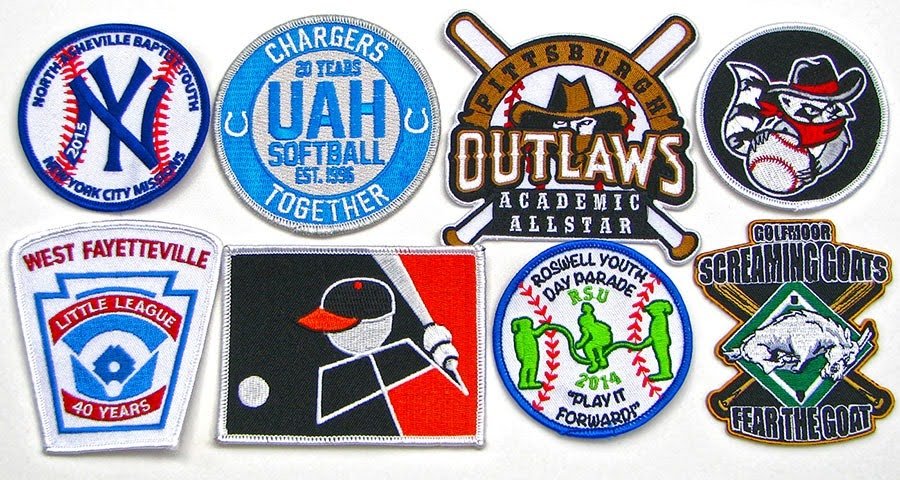
For clothing brands that want to go a step further, extra stitching, such as attaching custom Velcro embroidered patches to bags, jackets, caps, sleeves, or gift sets, or bonus items, gives customers something they can keep and use, which means your brand keeps traveling with them while going to work or on weekend trips for a long-lasting impact. This idea fits outdoor, workwear, and streetwear labels especially well, since their customers already enjoy making their gear their own.
Keep the extras purposeful. Whatever extras you pick, keep them intentional. One thoughtful touch feels like a gift. Five unrelated ones feel like clutter.
Use Labels, Tags, and Inserts Wisely
Labels do real jobs. They carry the size, the fabric, and the care instructions, and they tell the brand story in a few words. Make them easy to read. Tiny gray text on a white tag frustrates customers, especially when they’re trying to figure out how to wash something.
Inserts are a smart place to add value. A care card, a styling suggestion, or a short note about who made the garment can make the purchase feel personal. If you include a discount code or a prompt to share a photo, keep it friendly and brief.
Avoid stuffing the package with flyers. Customers tend to throw them out unread, and the clutter spoils the first impression.
Think About Sustainability
More shoppers now notice how much packaging they receive and what it’s made of. Oversized plastic bags and layers of unnecessary filler can leave a bad impression, particularly with younger customers.
You don’t have to rebuild your whole operation. Start with easy changes: recycled or recyclable mailers, paper tape instead of plastic, soy-based inks, and right-sized boxes. Say clearly what customers should do with the packaging, such as recycle it or reuse it.
Be honest about it. Making vague green claims you can’t back up tends to backfire. A short, truthful note about what you’ve changed is more convincing than a big promise.
Protect the Clothes
Attractive packaging still has to do its main job. Clothes should arrive clean, dry, and uncrushed. Light-colored items can pick up dirt from a dusty box, and delicate fabrics can snag on rough edges.
A thin polybag or paper wrap inside the outer package keeps moisture and dust away. For heavier items, a bit of reinforcement in the corners stops boxes from collapsing. If returns are part of your business, think about packaging that can be resealed so customers can send things back easily. A smooth return experience builds trust just as much as a smooth first delivery.
Make It Easy to Photograph and Share
Many people now film or photograph what they receive. If your packaging looks good on camera, you get free advertising. Strong colors, a clean logo, and a satisfying reveal all help. Put the best-looking layer right at the top, so the first thing a camera catches is something you’re proud of.
You can nudge sharing along without pushing too hard. A small card with your handle and a simple line like “Show us how you wear it” is usually enough. Repost customer photos when people give permission. Seeing real people in real clothes is more convincing than any studio shot.
Test Before You Order in Bulk
Samples save money. Order a small batch of packaging before committing, and try it with real products. Pack a few orders and look at them the way a customer would. Check how the box opens, how the garment sits inside, and how everything looks in a photo.
Ask a few honest friends or loyal customers for feedback. Notice what they comment on without being prompted, because that tells you what stands out. Then adjust, and keep what works.
Final Thoughts
Great clothing packaging doesn’t come from a big budget. It comes from paying attention: knowing who you’re selling to, keeping your look consistent, choosing materials that feel good in the hand, and adding a few details that show real care. Protect the garment, be honest about your impact on the planet, and make the opening moment worth sharing.
Start small. Change one or two things, watch how customers react, and build from there. And when it’s time, and you’re ready to add branded finishing touches and to elevate your packaging with custom details like patches, labels, or tags, teaming up with one of The Best Custom Patch Manufacturers transforms your branding into something customers are excited to display, not just during the unboxing, but every time they wear your product proudly long after the box has been opened.