

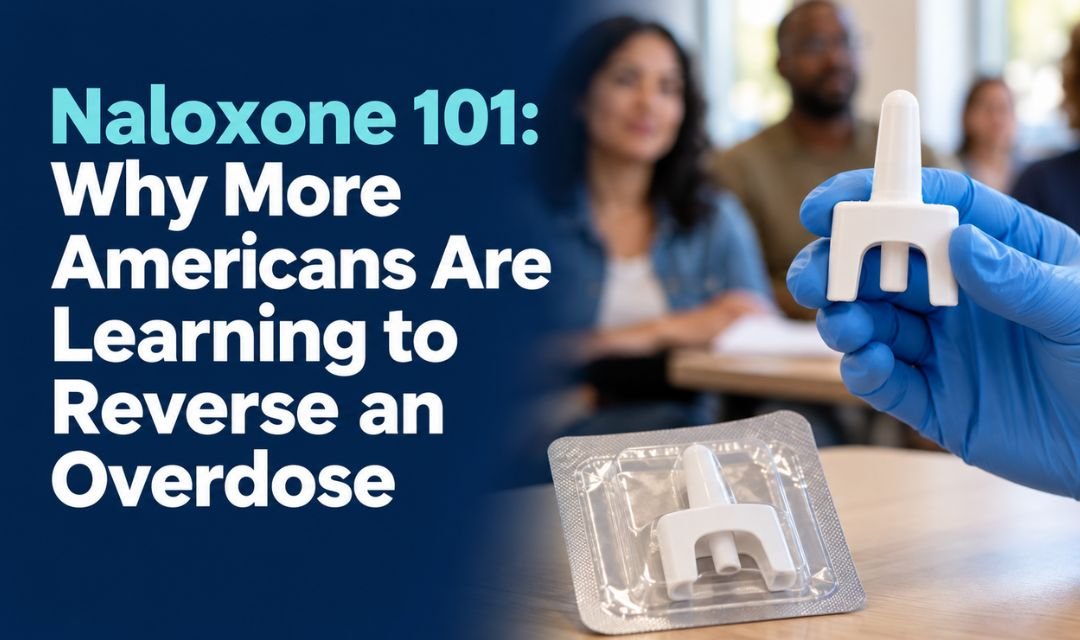
Overdose news has a way of reaching everyone. Headlines about public figures, stories from neighbors, and posts from friends have made opioid overdoses one of the most discussed health issues in the country. The good news is that the numbers are moving in the right direction. In May 2026, the CDC reported an estimated 69,973 drug overdose deaths in 2025, down almost 14% from 2024 and the third straight year of decline. Deaths involving opioids fell from an estimated 55,296 to 44,564.
Public health experts have pointed to wider access to naloxone as one likely contributor. Naloxone is a medication that can rapidly reverse an opioid overdose, and it is now available in many pharmacies without a prescription. Knowing how to use it can save a life in the minutes before emergency help arrives. Reversing an overdose is only the first step, though. Lasting recovery usually depends on what comes next, whether that is medication for opioid use disorder, outpatient counseling, or longer-term care like luxury substance abuse treatment for people who need a more intensive setting. Here is what everyone should know about naloxone.
What Naloxone Is and How It Works
Naloxone is an opioid antagonist. It quickly attaches to the same receptors in the brain that opioids act on, blocking their effects and restoring normal breathing in someone whose breathing has slowed or stopped because of an opioid overdose. It works on overdoses involving opioids such as heroin, fentanyl, and prescription pain medications.
According to the CDC, naloxone is safe and will not harm a person who is not experiencing an opioid overdose. That means if you are unsure whether someone has taken opioids, giving naloxone will not hurt them.
Naloxone Is Now Available Over the Counter
In March 2023, the U.S. Food and Drug Administration approved a 4-milligram naloxone nasal spray for over-the-counter use, the first naloxone product approved for sale without a prescription. That decision made it possible to buy naloxone directly from pharmacy shelves, grocery stores, and other retailers. Many local health departments and community organizations also distribute it for free.
Signs of an Opioid Overdose
The CDC lists several signs that may indicate an opioid overdose. Recognizing them quickly is critical, because a person’s breathing can stop within minutes.
- Very small pupils. Pupils that look like tiny pinpoints are a common sign of opioid effects, especially when combined with other symptoms on this list.
- Falling asleep or losing consciousness. A person who cannot be woken up, even with a loud voice or firm rub on the breastbone, needs immediate help.
- Slow, weak, or no breathing. Opioids suppress the brain’s drive to breathe. Shallow or absent breathing is the most dangerous sign of an overdose.
- Choking or gurgling sounds. These noises can mean the airway is partly blocked or that breathing is failing.
- A limp body and cold, clammy skin. The body may feel heavy and unresponsive, and the skin may feel cool and damp to the touch.
- Discolored skin. Lips and nails may turn blue or purple, or appear grayish on darker skin, which signals a lack of oxygen.
If you see these signs, act right away. It is always better to respond to a suspected overdose than to wait and hope the person wakes up.
How to Respond to a Suspected Overdose
Public health guidance generally recommends the following steps. Call 911 immediately so emergency responders are on the way. Give naloxone according to the package instructions, which for nasal spray usually means inserting the nozzle into one nostril and pressing the plunger. Try to keep the person breathing and lay them on their side in the recovery position to help prevent choking. Stay with them until help arrives.
SAMHSA notes that naloxone’s effects can wear off before the opioids leave the body, so a person may stop breathing again. A second dose may be needed if they do not respond within a few minutes, and medical follow-up is always important.
Legal Protections for People Who Help
Most states have Good Samaritan laws that offer some legal protection to people who call for help during an overdose. The details vary by state, but the goal is to encourage people to seek emergency care without fear.
After the Overdose: Why Treatment Matters
Naloxone can buy precious time, but it does not treat the underlying addiction. Federal data shows a large gap in care. SAMHSA’s 2024 National Survey on Drug Use and Health found that only 17% of the 4.8 million people with a past-year opioid use disorder received medications for opioid use disorder. FDA-approved medications such as buprenorphine, methadone, and naltrexone, combined with counseling and support, give people the best chance at lasting recovery.
Carrying naloxone is one of the simplest ways anyone can help. Knowing what to do afterward, and encouraging a loved one toward treatment, can turn a frightening moment into a turning point.
Frequently Asked Questions (FAQs)
1. Do you need a prescription to buy naloxone?
No. In March 2023, the FDA approved a 4-milligram naloxone nasal spray for over-the-counter sale, so it can be bought without a prescription at many pharmacies and retailers.
2. Can naloxone hurt someone who has not taken opioids?
According to the CDC, naloxone is safe and will not harm a person who is not experiencing an opioid overdose. If you are unsure, giving it is the safer choice.
3. Why should you stay with someone after giving naloxone?
SAMHSA notes that naloxone can wear off before the opioids do, which means breathing can slow or stop again. Staying with the person and making sure they receive medical care is important.